Published on May 11, 2026 by Gloria Hubbell Corena
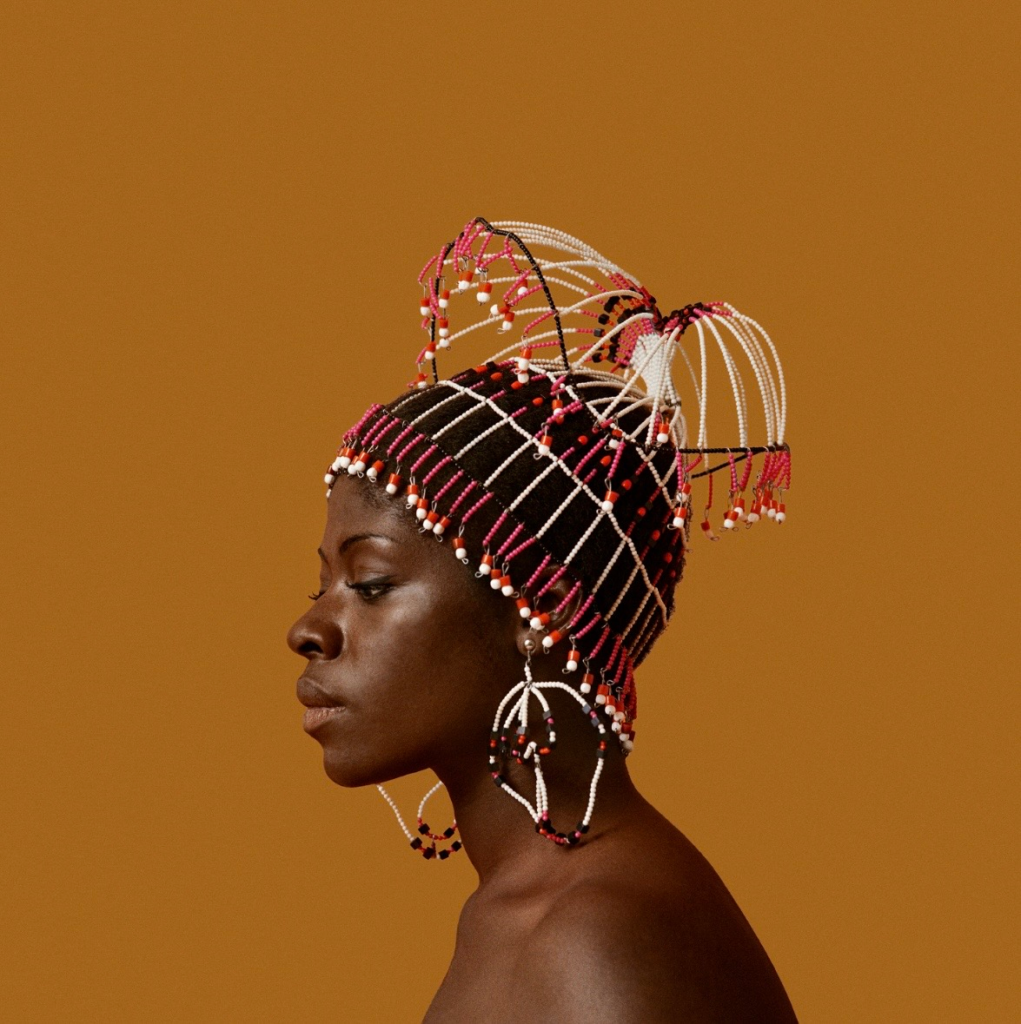
Kwame Brathwaite’s wife and muse, Sikolo Brathwaite
By Gloria Hubbell Corena
Editor-in-Chief
Few cinematic experiences leave an audience in collective tears, but the screening of “Black Is Beautiful: The Kwame Brathwaite Story” was one of those rare, transcendent moments. Directed by Yemi Bamiro, the documentary is more than a biopic; it is a reclamation of a movement that redefined global standards of beauty.
For those of us in the press seats, the experience was heightened by the presence of the filmmaker’s family. I had the profound honor of sitting beside the director and Kwame Brathwaite Jr., the son of the legendary photographer. Watching Kwame Jr. moved to tears throughout the film served as a silent, powerful testament to the weight of his father’s legacy, a legacy that was nearly lost to history.
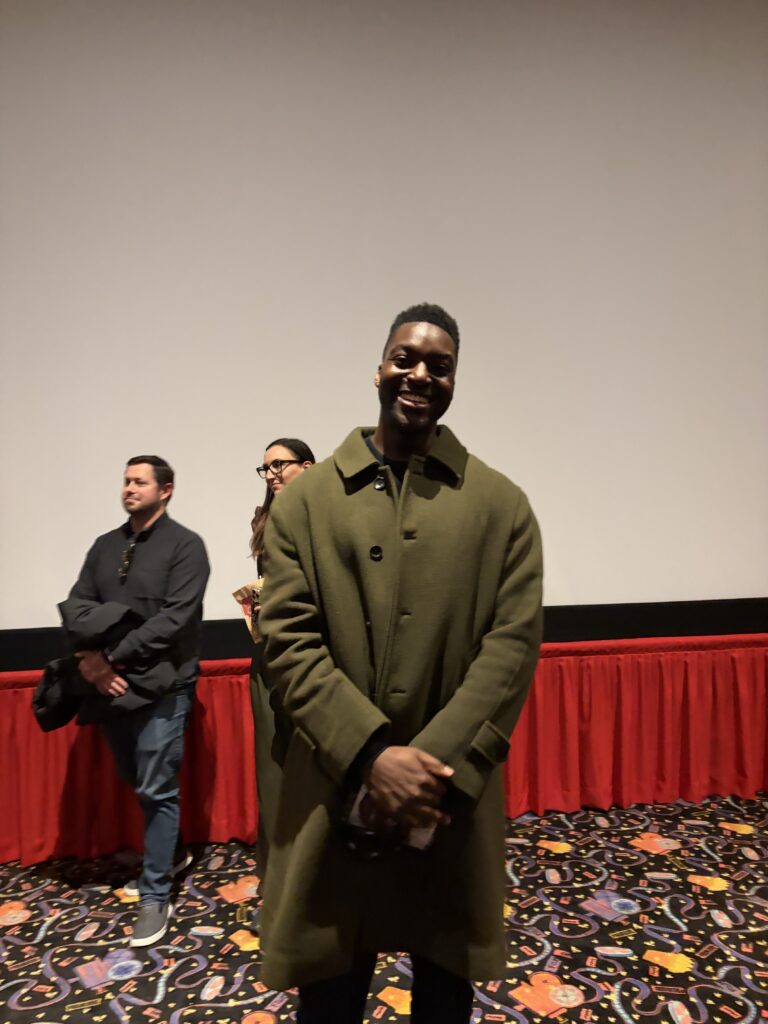
Kwame Brathwaite Jr.
The Architects of “Black Is Beautiful”
The film chronicles how Kwame Brathwaite, along with his brother Elombe Brath, founded the African Jazz-Art Society & Studios (AJASS) in 1956. Long before “Black is Beautiful” was a common phrase, these men were coining the term and building the infrastructure for it to thrive.
The documentary highlights the Grandassa Models, a collective of Black women who challenged the status quo by embracing their natural hair and African-inspired fashion during the “Naturally” shows in Harlem. At the center of this was Brathwaite’s wife, Sikolo Brathwaite, who served as his enduring muse. Their partnership wasn’t just romantic; it was a political statement captured through a lens.
A Hidden Archive
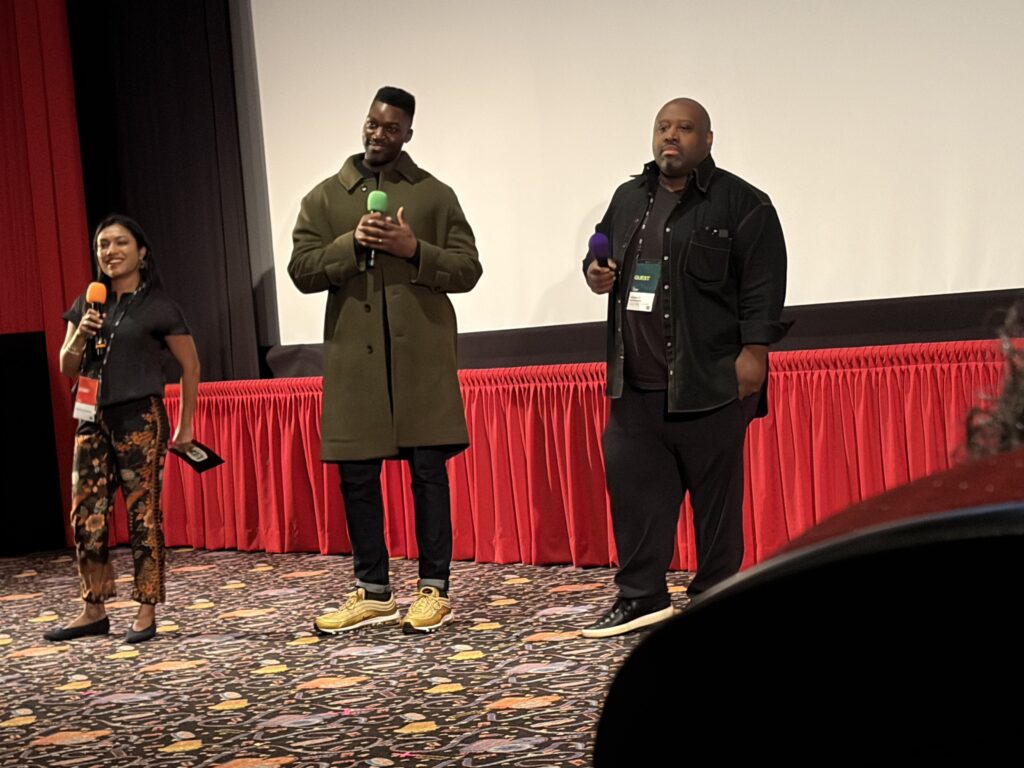
One of the most staggering revelations of the evening came during the post-screening Q&A. Despite the film’s rich array of images, featuring icons like Miles Davis, Sly Stone, and Muhammad Ali, Kwame Jr. revealed that we have only seen the tip of the iceberg.
” I am about 5% into the archive….this is an on going thing.” Kwame Jr. shared with the audience how they have only released a very small portion of his fathers work with the world.
The idea that 95 percent of this cultural history is still being processed is both overwhelming and exciting. It suggests that the “Black is Beautiful” movement still has many stories left to tell.
From the Director’s Lens
After the film, I spoke with director Yemi Bamiro about the unique experience of watching his work while sitting next to the man who lived it. When I asked how it felt to be in the audience with Kwame Jr., Bamiro’s response reflected his passion and excitement for his work. With a smile, the London filmmaker beamed:
” I don’t normally sit in…I haven’t seen it for a long time..it still makes me a bit emotional.. so I enjoyed it. I can’t rememebr the last time I sat with Kwame and watched it, so it was nice.”
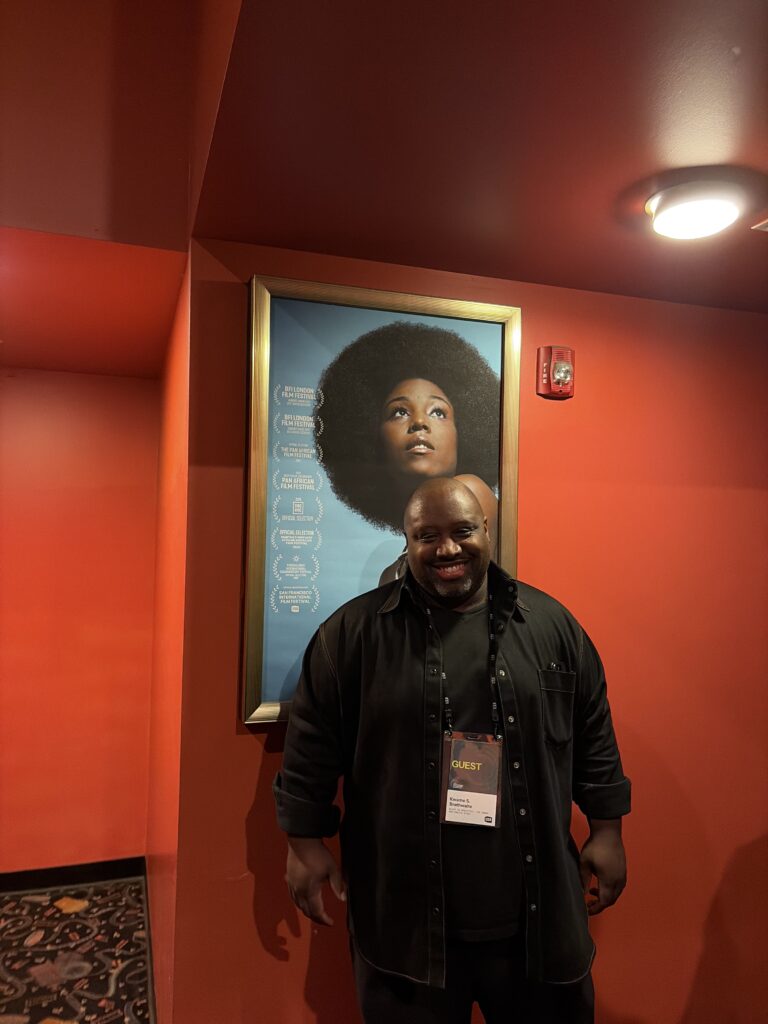
Director Yemi Bamiro
For our college community, “Black Is Beautiful” serves as a reminder of the power of the archive. It’s a story of a family discovering their own history in boxes of film and realizing those photos belonged to the world.
This video provides an in-depth look at the specific exhibition and historical context of the “Black Is Beautiful” movement discussed in the documentary.
A message from the Editor, Final Reflection: Why This History Belongs to All of Us
Sitting in that darkened theater, watching Kwame Brathwaite Jr., moved to tears by his father’s legacy, I was struck by a profound realization: this story is not a niche chapter of the past.
As we continue to build our community here at the College of Marin, it is essential that we approach these narratives with the gravity they deserve. There is a common misconception that “Black History” is a separate category of study, but the truth is that Black history is all of our history.
The “Black Is Beautiful” movement didn’t just change the way one group of people saw themselves; it fundamentally rewired the global standards of art, fashion, and human dignity. It is a blueprint for how creativity can be used as a weapon against injustice.
I believe that every student at COM should learn the history of the AJASS, the Grandassa models, and the Brathwaite archive. We cannot fully understand the American story or the “Arts and Culture” we celebrate today without acknowledging the pioneers who fought to be seen. By embracing this history as our collective heritage, we move closer to the inclusive, informed campus community we strive to be.