By Gloria Hubbell Corena
Editor-in-Chief
The Napa Valley isn’t just for viticulture; it is rapidly becoming a premier hub for digital storytelling and community activism. April 23-26 marked the Second Annual Napa Valley Stream Fest, an event that blends the high-end allure of Wine Country with the urgent, community-driven spirit of Bay Area arts and culture.
The Mariner Times was honored to attend the opening night launch, representing student journalism at an event that feels increasingly vital to the local cultural landscape.
A Night of Advocacy: Jonathan Scott Honored
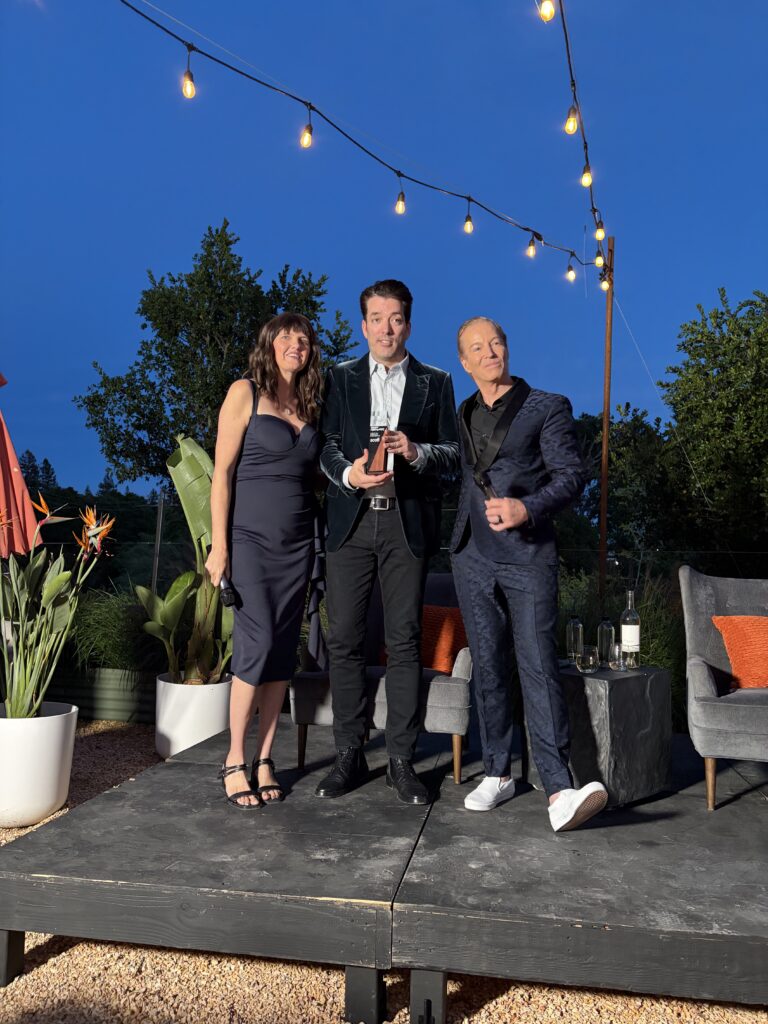
The emotional heart of the evening was centered on humanitarianism. Jonathan Scott, best known as one-half of the Property Brothers, took the stage for a featured interview and to receive a special recognition award.
While Scott is a global television personality, his focus here was deeply local. He was honored for his significant humanitarian efforts following the Palisade Fires, providing resources and awareness for recovery. His presence underscored a major theme of this year’s festival: the power of media and “streaming” platforms to mobilize help and document the resilience of California communities in the face of environmental crises.
The Atmosphere: Aerial Violins and Vintage Steel
The launch took place at an exclusive “car club” venue, where the industrial-chic backdrop of classic automobiles provided a sharp, modern contrast to the traditional Napa aesthetic. The evening was a sensory experience that pushed the boundaries of a typical film festival mixer:
- The Toast: The night kicked off with a signature pour from Kapa Napa Valley Vodka, setting a sophisticated tone for the festivities.
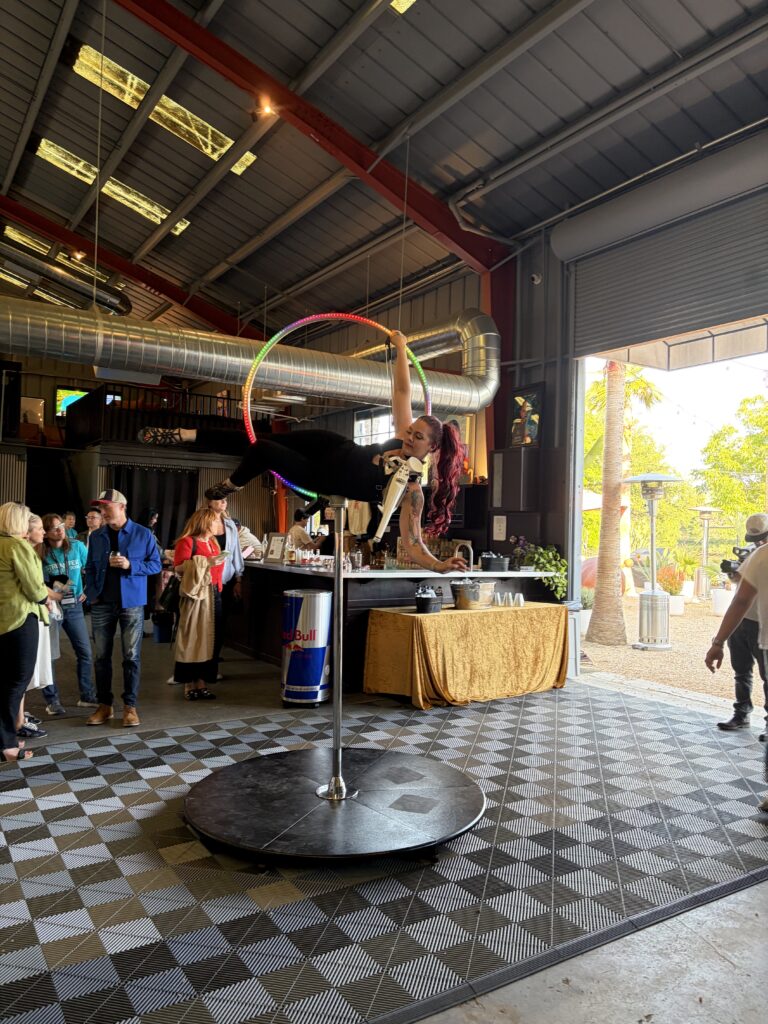
- The Entertainment: In one of the most talked-about moments of the night, a featured performer combined high-wire acrobatics with classical music, performing an aerial routine while playing the violin.
- The Vibe: A live DJ, DJ Razzvio, kept the energy high, transitioning the formal awards ceremony into a high-energy “push party” where guests and filmmakers took to the floor to celebrate the opening night of the festival’s second year.
Looking Ahead: The Voices Behind the Vision
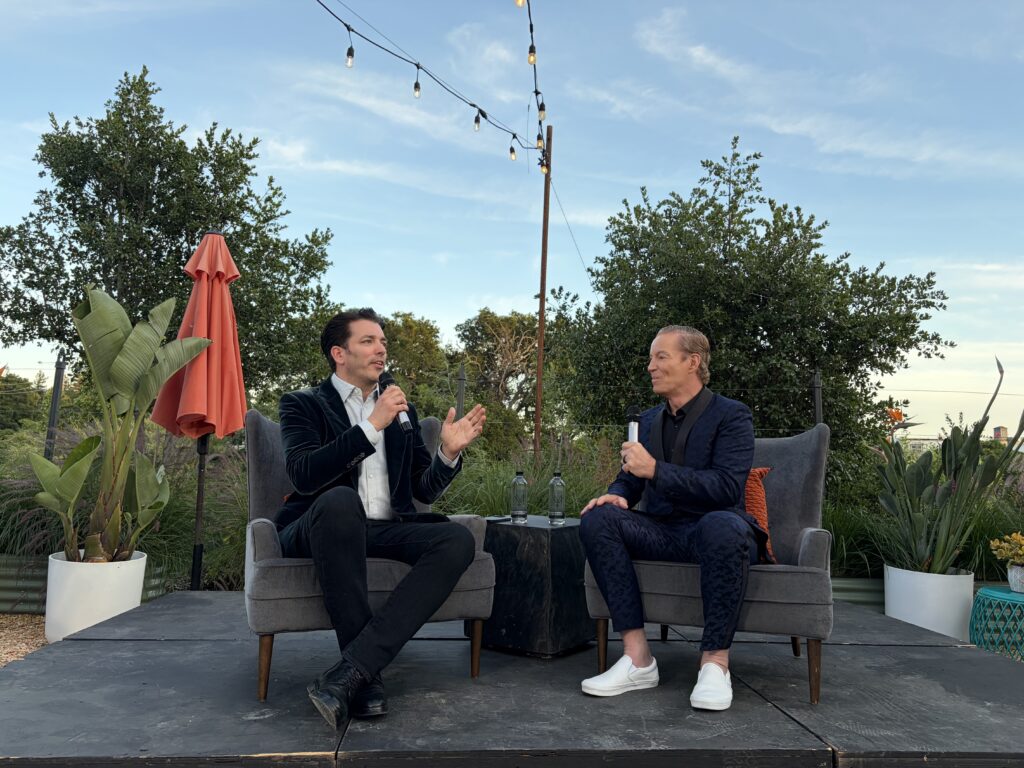
Beyond the glamour, the Napa Valley Stream Fest is about the people building new platforms for creators. During the event, I had the opportunity to sit down for an exclusive interview with the festival’s co-founder, Fearon Deweese, to discuss the festival’s evolution and the importance of creating a space for digital-first filmmakers in the Bay Area.
“The idea around StreamFest was to have a variety act…how can we make it (the festival) like we have our algorithm ..”
Why It Matters for the Arts
For student journalists and arts enthusiasts in the Bay Area, events like Stream Fest represent a shift in how we consume culture. By centering humanitarian work alongside digital cinema and avant-garde performance art, the festival proves that “streaming” isn’t just about what we watch at home, it’s about the live, breathing community that creates it.
As we continue to cover the intersection of cinema and local activism, the Napa Valley Stream Fest stands out as a unique bridge between Hollywood star power and Northern California heart.
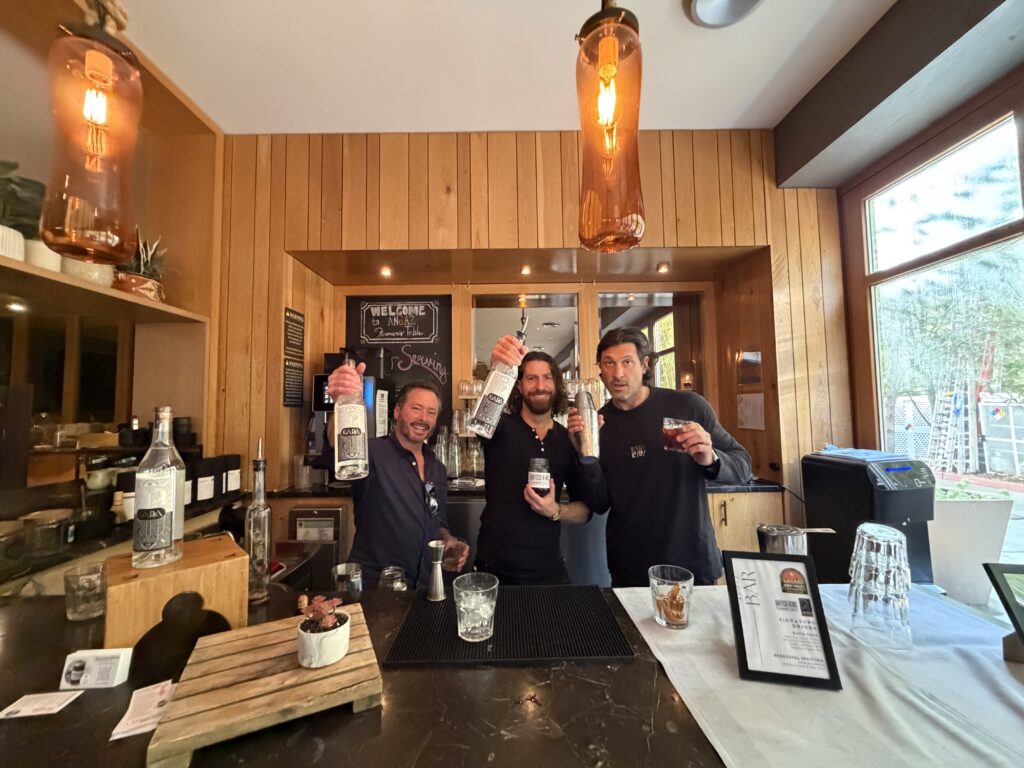
Founders of Kapa Napa Valley Vodka
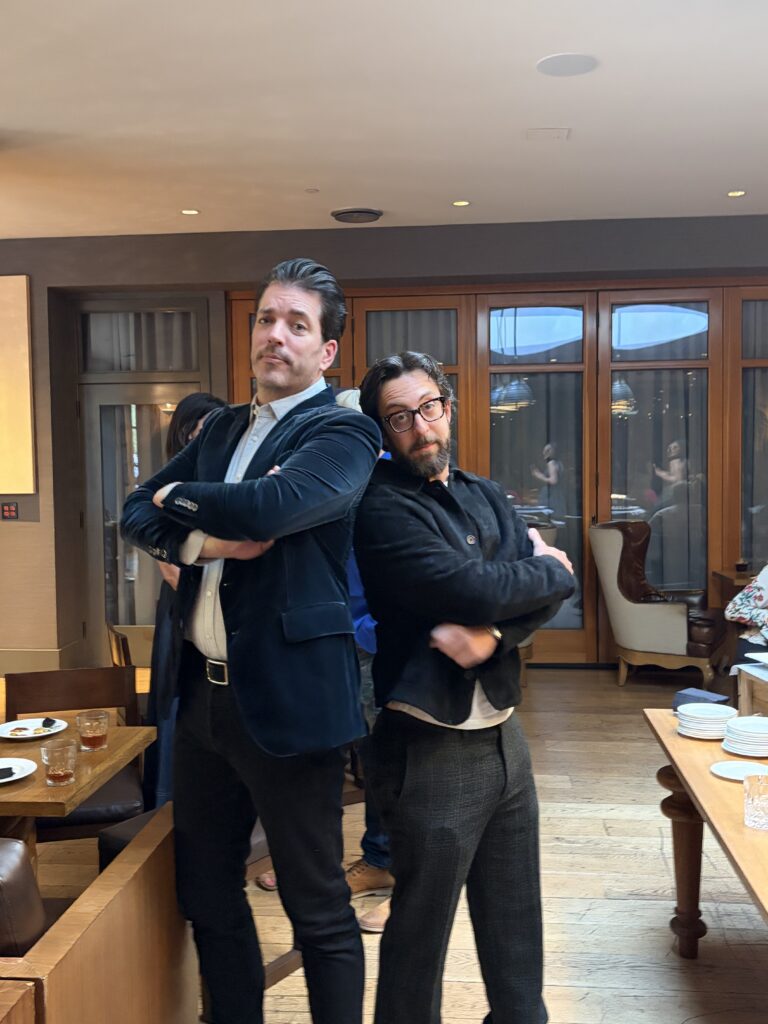
Jonathan Scott and Adam Rose strike a pose while having fun at the launch party
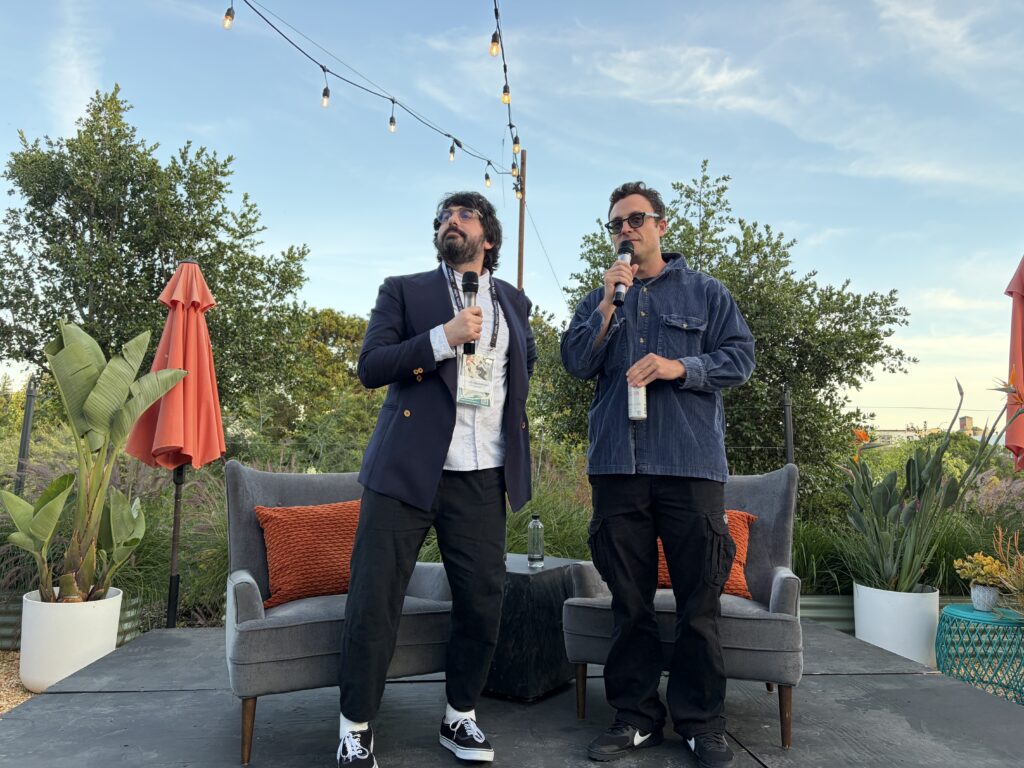
The Napa Boys brought laughs as they MC’ed the evening
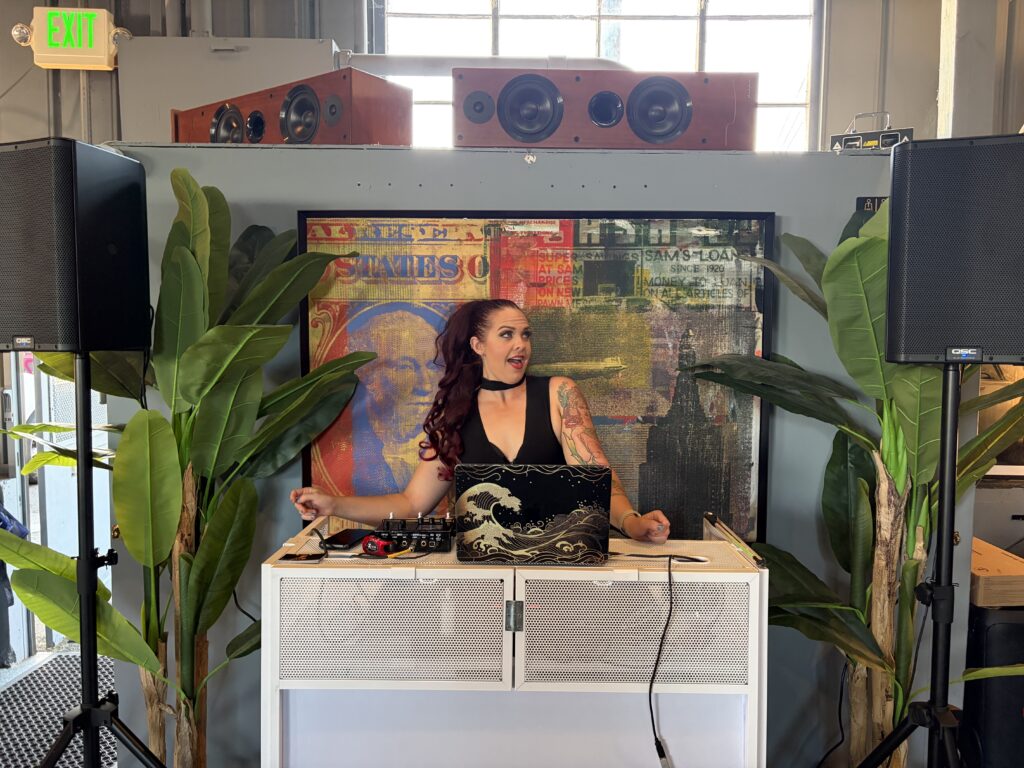
DJ Razzvio kept people dancing and entertained as she doubled as the aerial violinist
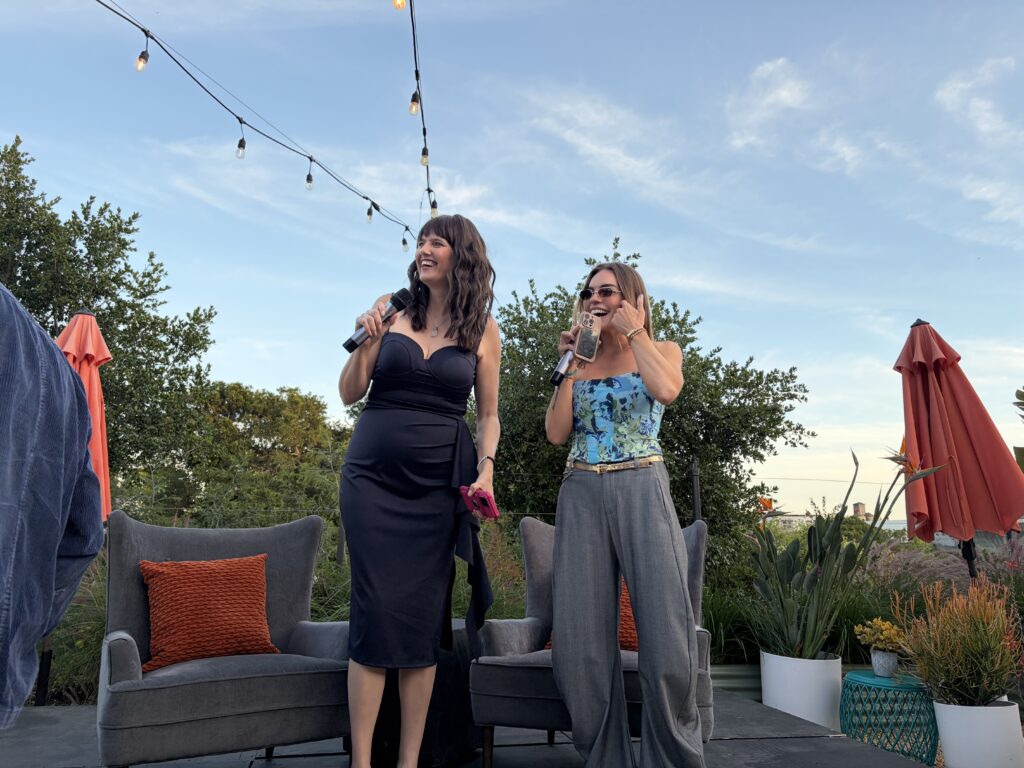
Founders Fearon May Deweese and Juliana Folk speak to the crowd with a jovial warmth
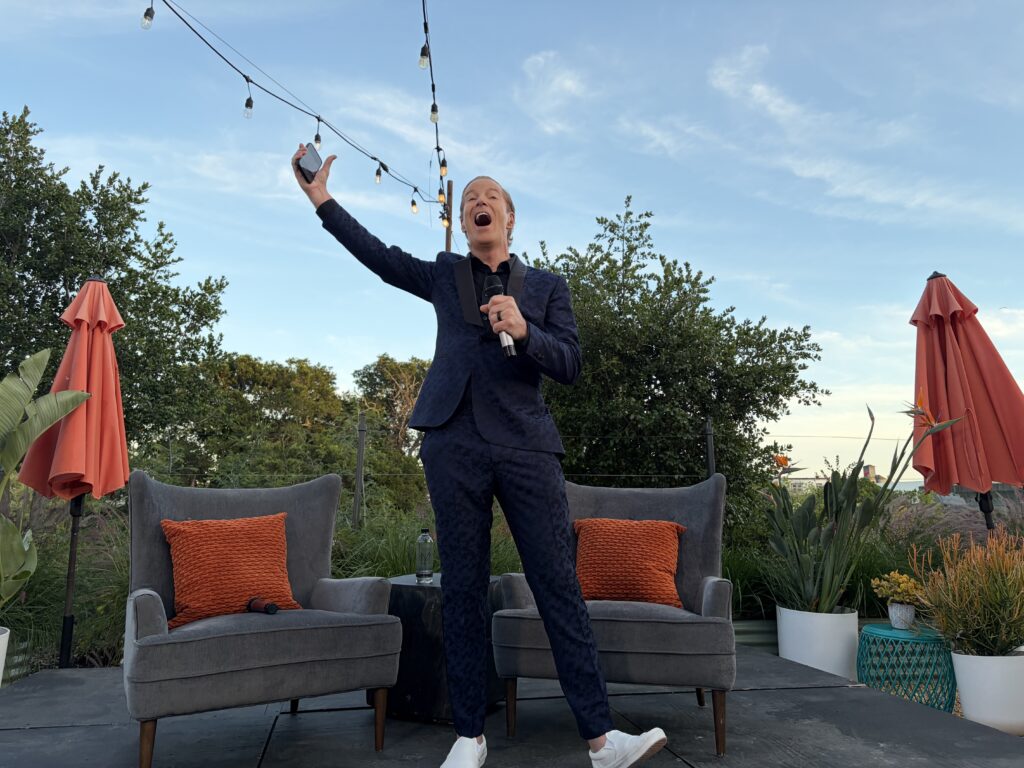
Mark S. Allen moderated the intimate yet hilarious discussion with Scott
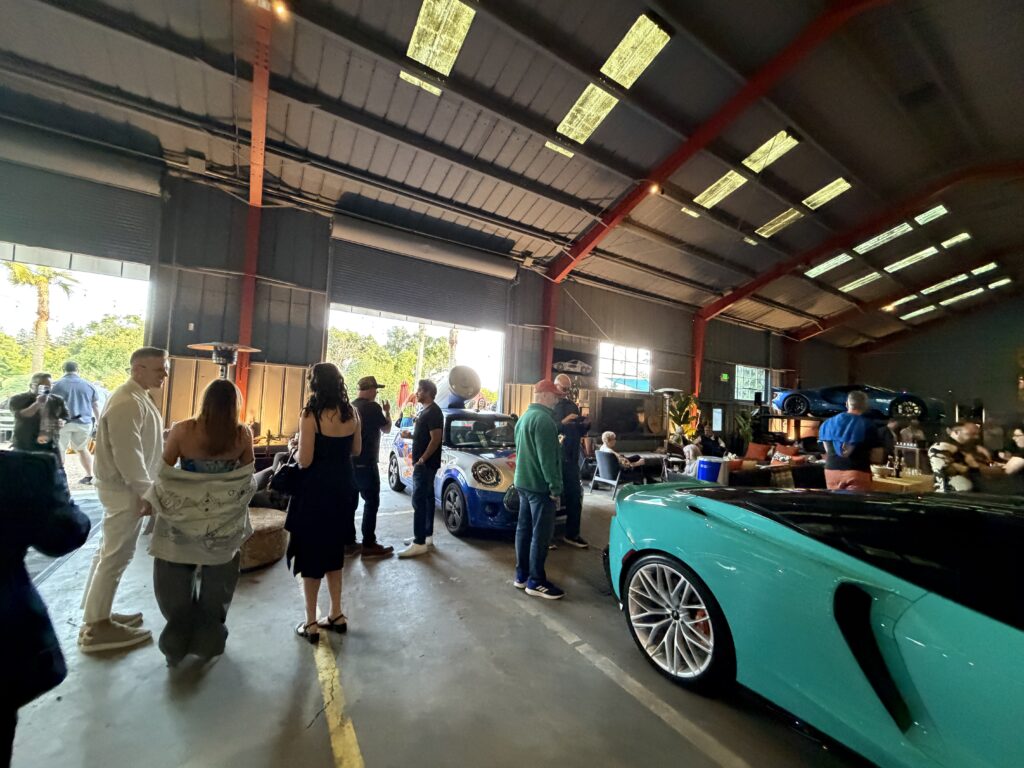
The Car Club was the hub of the Push party, while filmmakers and film lovers alike mingled among classic cars.
The inaugural weekend of the second annual Napa Valley Stream Fest was packed with more than just the opening night glitz. While the launch at the car club set a high bar, the following days transformed downtown Napa into a “bingeable” hub for modern storytelling.
Here are the weekend highlights that defined the festival’s unique “Streamertainment” vibe:
The “Icon” Arrival: Mariska Hargitay
On Friday, the energy shifted to the historic Uptown Theatre. The biggest draw of the weekend was Mariska Hargitay, who received the festival’s Icon Award. Beyond her legendary work on Law & Order: SVU, she sat down for a live recording of The Hollywood Reporter’s “Awards Chatter” podcast with Scott Feinberg. She spoke candidly about her new production company, Mighty Entertainment, and her documentary My Mom Jayne, bringing a powerful voice of female leadership to the festival.
The “Binge” Blocks and Breakthroughs
The weekend was structured into curated “Binge Blocks” themed sets of pilots, shorts, and social content.
- Females in Focus: A standout Friday block presented by the Association of Women Directors, showcasing sharp, female-driven narratives.
- The “In the Works” Pitch: Saturday morning featured a high-stakes pitch competition where emerging creators presented sizzle reels to a live audience, offering a rare look at the “birth” of new digital series.
- Comedy Spotlight: Comedian Becky Robinson received the “Make ‘Em Laugh” Award, followed by a world premiere block of comedy shorts that kept the theater echoing with laughter.
Culinary Culture and Wellness
True to Napa form, the festival didn’t stay inside the theater.
- SABU Wellness Experience: At the CIA at Copia, the festival hosted wellness panels focusing on the “burnout” often felt in the digital creator era, featuring wellness experts like Dr. Jenelle Kim.
- The Farewell: The weekend concluded on Sunday with a “Hit Pause” farewell party at Shadybrook Estate Winery. This final red carpet celebrated the “Breakthrough Artist” honorees, including Thora Birch and Luke Tennie, pairing gourmet coffee and breakfast bites with panoramic vineyard views.
A New Festival Model
What stood out most over the four days was the “no lines, no venue-hopping” approach. By centering the action in downtown Napa and utilizing places like the Napa Valley Car Club and Uptown Theatre, the festival felt less like a marathon and more like a curated community conversation.
For the Bay Area arts scene, the weekend proved that the future of cinema isn’t just on the big screen, it’s in the podcasts, the social content, and the humanitarian stories that connect us. This ultimately has a direct effect on college campuses, especially those such as COM, which have a bustling film and drama department.